

The full-time event production world I semi-retired from in October (2025) might be one of the most fluid and demanding work environments there is. Not to compare—we’re not saving lives here. But the complexity and pace of events? Wild.
Events are a lot like kitchens, in a lot of ways. Lots of creativity. Defined stations and roles. But fluidity and Flow as connective tissue.
I’m a huge fan of The Bear — especially how well it weaves themes of collaboration and “everyone does every job.” The tension between specialists and generalists. It feels very kindred to my event producer career every time I catch the show.
Igualmente with the storytelling in Will Guidara’s Unreasonable Hospitality, where he chronicles how Eleven Madison Park became the top-rated restaurant in the U.S. by creating a culture where everyone was responsible for the guest experience, no matter their job title.
For smaller or more resource-constrained teams, being able to slide between specialist and generalist — and thrive in the liminal space between those roles — is everything.
We Need Specialists. But We Need Generalists.
In large organizations, hyper-specialization can work. There’s time, money, and structure to support it (though I’d still argue that Generalists are vital ingredients for fostering Group Flow in big companies too).
But in small, mission-driven teams or resource-challenged orgs, having those rigid roles is often a luxury — and it can lead to breakdowns. Maybe it’s a team getting stuck waiting on a single gatekeeper. Or someone saying, “That’s not my job,” when what’s really needed is, “How can I help?”
Generalists aren’t just nice to have. In teams, they’re really good at keeping things keep moving. They bring curiosity, range, and instinct to fill in gaps instead of tiptoeing around them.
An effictive team needs people who understand the value of both range and rhythm—and developing a culture that embraces the skill of knowing when to flex and when to focus. It’s the soil and connective tissue that create consistently high-flow teams.
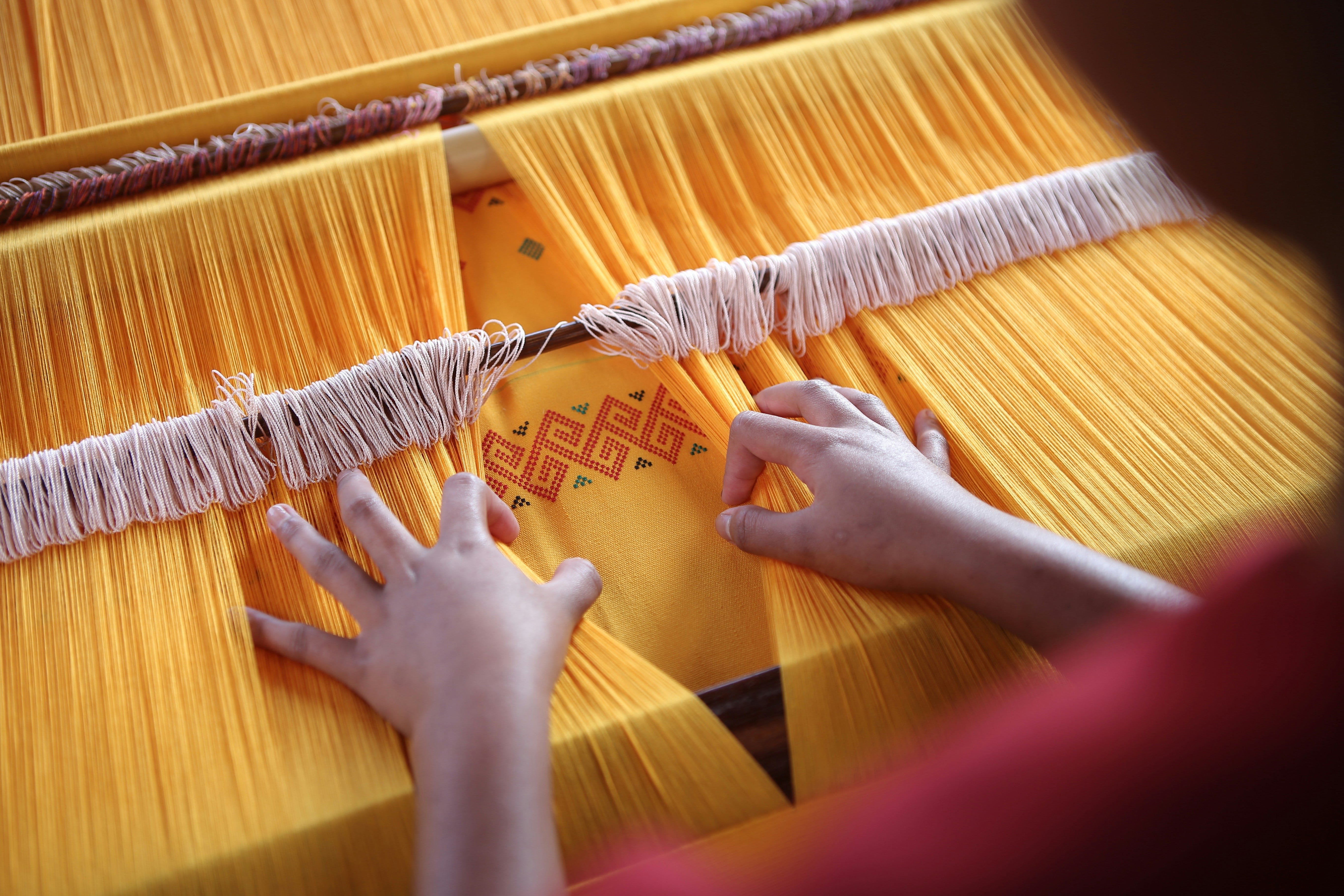
It’s the loom we all need to work with more in 2026, IMO.
Specialized Generalists Nurture More Group Flow
There, I said it. I’m an unabashed Generalist fanboy and advocate. The thing that I might get praised for the most as a leader of distributed event teams over my career is the talent to transmute chaos into calm. That’s not necessarily a generalist superpower, but it’s not not that.
When teams are made up of fluid generalists with deep specialties, they’re uniquely equipped to experience—and sustain—high-performance group flow. They listen closely, adapt quickly, shift between roles, and stay attuned to the overall rhythm of the work.
They can satisfy the key conditions—like a collective sense of purpose, psychological safety, and responsive collaboration—not by trying to do everything, but by staying aware of what the team needs moment to moment.
And just like in the back of house, front of house, and the interplay between two in The Bear, it works because everyone knows their station and their purpose, but are flexible to support each other when the ish hits the fan.
They move together, improvise when they have to, and always serve the collective, shared goals (Group Flow trigger!). The dish gets plated. The guest gets served. The night keeps moving.
That kind of flow comes from trust, awareness, and practice.
So What Now?
So how do you build a team that moves like this—fluid, focused, and always ready to shift when it counts?
It starts with intention, seeded across the systems and culture of the organization itself. High-flow teams are built in environments that support them—where structure is regenerative, not restrictive. Where the org design, rituals, and rhythms allow people to move between roles without friction or fear.
Start by creating systems that encourage, nurture, and mentor skill overlap. Let people shadow each other. Host cross-training sessions. Not everything needs to be formal. Even casual “show me how you do that” moments matter.
Make it safe for anyone to step in. No one wants to overstep or be the try-hard. Create an environment where jumping in is appreciated, not punished.
Actively recognize adaptability. We’re good at rewarding deep expertise. We’re less good at noticing who filled the awkward gap in a meeting or quietly picked up the unsexy task that kept everything on track. Celebrate that.
Balance clarity with flexibility. People need to know what they’re responsible for. But they also need to know they can stretch beyond it when needed.
When “everyone does every job” becomes a mindset—not a logistical nightmare—you unlock something deeper than efficiency. You create conditions for trust, adaptability, and flow.
Not everyone has to be good at everything. But everyone should feel empowered to show up for the work in front of them—even when it stretches them. Especially when it matters.
What’s one way you could step outside your defined role this week—to strengthen the whole team?
Hola! Im Jaimey, founder of Bearfuht Labs. I love to help impact-focused SMBs and nonprofits build regenerative business operations and project systems that breathe—so your team can focus on the work that matters instead of fighting broken systems.
If your operations feel overwhelming, your team is burned out, or you’re the bottleneck on everything, let’s talk. DM me or visit bearfuht.com to book a free coffee chat.